
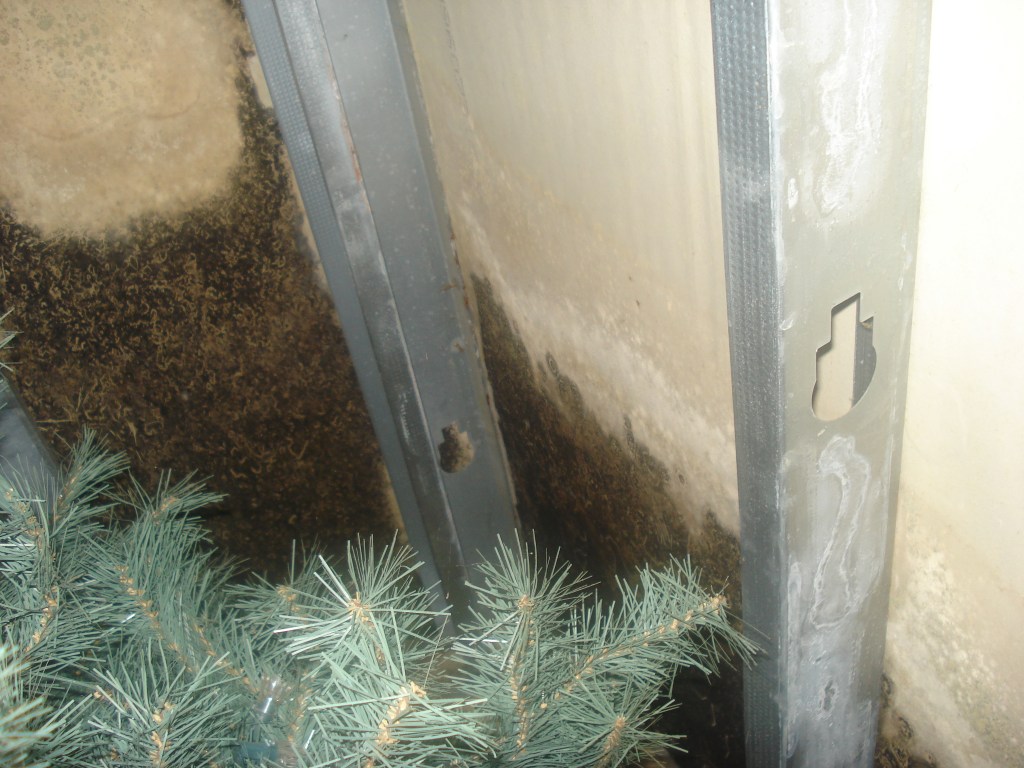
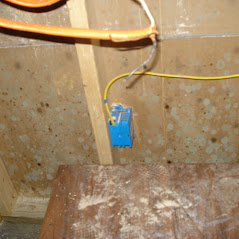
What is the value of mold testing? Too often I have read if you see the mold just get rid of it or remove it! This can be true to a certain extent, however, what if you can smell the mold but cannot see it? There may be a strong musty odor or excess moisture or dampness. I do agree if you see the mold growth to get rid of it or have the moldy affected area treated and cleaned if it cannot be removed. What about the mold that may be hidden or unseen such as behind a wall or ceiling with no access? Mold spores that are airborne are not visible to the naked eye. Just because the surfaces of the walls, ceiling, floor areas are not moist with no surface mold growth, does not indicate that mold spores are not present. it should be noted that every building has some forms of mold, but we are looking at unusual or high excessive mold growth and contamination. Usually after a heavy floor, or excessive pipe leak from a faucet, shower, radiator, plumbing backup, or roof leak can indicate some excess mold growth. A thorough visible inspection of the affected and non affected areas is important and not always having to test or sample for mold. Using a quality moisture meter will help with this, but sampling is only part of the process to come up with a good conclusion with a visible inspection. Air testing alone is not the proper way to assess for mold growth.
The Value of Mold Sampling is Threefold:
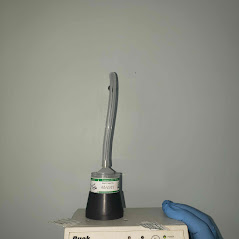
- The air testing will help to determine the mold spore elevations present in the room or area of concern whether they are excessive beyond our natural environment. It should be noted there are no governmental standards or threshold limit values for mold testing. There is industry guidance from professional industries. As a general rule and widely accepted in the indoor air quality field, the numbers and types of mold spores that are present in the indoor environment should not exceed those that are present outdoors at any given time.
- The purpose of sampling and counting spores is to help determine whether an abnormal condition exists within the indoor environment and if it does to help pinpoint the area of contamination.
- Mold testing can be subjective, but can help to identify excess mold spores and the type of mold spores indicated in a room or affected area. A spore trap can pick up several types of species in a sample. This can help to determine if it is a common type of mold or a water damage mold such as a mycotoxin, pathogenic, or allergenic type species.
- Mold sampling can help during or after a mold remediation project to confirm if the mold clean up was effective with verifying low mold spore counts and/or eliminating any nasty water damage type molds such as Stachybotrys, Chaetomium, or excess Aspergillus/Penicillium molds.
Another value for a professional assessment for mold is the peace of mind to know that your investment or health are not at risk. “An ounce of prevention is always better than a pound of cure”.
Mold testing and assessment is best to be performed by a certified and trained (experienced) professional independent consultant or company that does not remediate or remove mold. his help to offer an objective unbiased assessment with accountability. All our samples are sent to a qualified and trained lab accredited and certified. EMPAT,AIHA, Microbiology labs.
Having over twenty years of personal and professional experience with hundreds of mold inspections and indoor air quality assessments. There are times when the mold in a building or home looks worse than what may appear and at other times the room, walls, ceiling, floors, look clean, dry, and innocent only to find the room has excess mold mycotic, and allergenic in nature beyond a “normal environment”. Although there are currently no federal standards or guidelines regarding results of fungal samples and there no no levels that are typical or permissible, there is still value in testing and inspections. The key to stopping a mold problem is to correct the cause and source of the problem. It is important to correct and fix the source to have effective remediation to prevent another problem
Andy Provitola CMC
Environmental Resources & Services
https://www.airenvironments.com



 Healthy Indoor Air Quality