Tag Archives: moldinspections

Excess Moisture Flooding-Mold in Crawlspaces and Basements

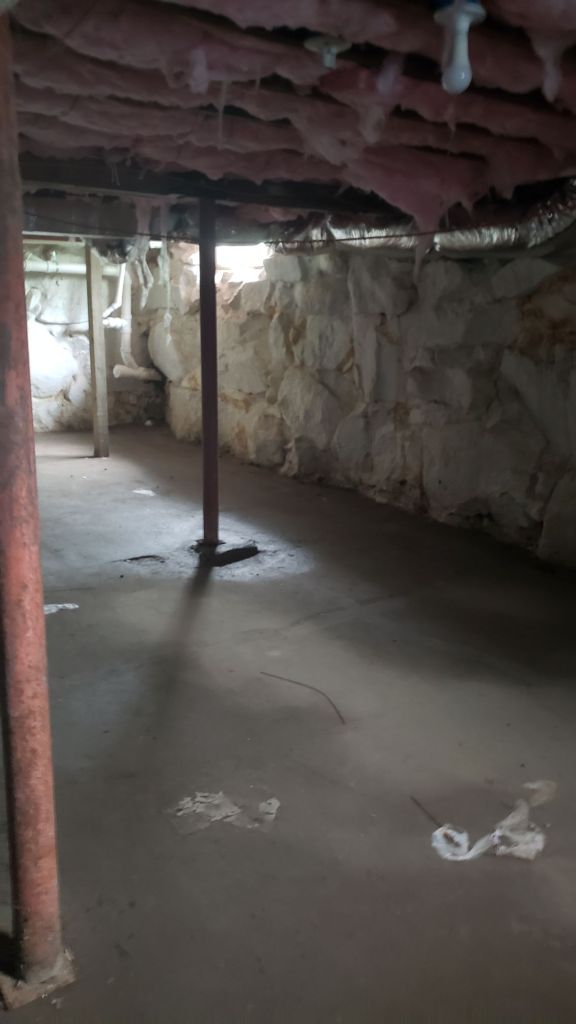
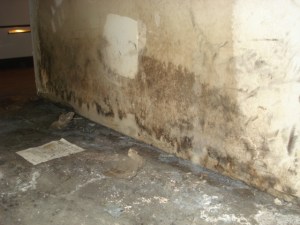
This time of year in the summer months causes concerns for musty odors, excess moisture and mold growth on the surfaces.  What’s that smell? Do you know what is going on down in your crawlspace? Does it have a dirt floor? Is the open fiberglass insulation in the floor joist drooped down into the floor? These are signs that excessive moisture, musty odors and dampness, and mold contamination growth may be occurring.

Mold spores can and will exacerbate with any excess moisture and excess relative humidity that will cause existing mold spores to travel and move around where new growth can occur. Excess relative humidity in a basement or crawlspace is like adding ‘gas onto the fire’ where mold spores will grow.

Conducting a thorough visual investigation of the musty odor or any source of water leak, excess moisture is very important.  Relative humidity (RH) should be less than 60% or lower to help to control moisture 30% to 50% (RH) is the best range). When (RH) is above 60% or more this is not good for your basement, crawlspace, or living/working space where mold and other contaminants can grow; even causing wood rot and decay to the structural support of the wood beams and joists. To control excess moisture and humidity it is important to install the proper dehumidification system. Too often homeowners and business owners do not have the proper size dehumidifier(s) installed because the square footage or cubic area is too large and the unit does not cover this amount of ambient space.

Crawlspaces with dirt floors should have quality grade vapor barriers with minimal 6 Mil thicknesses or higher covering the entire dirt floor including part of the lower side walls or to the top. Quality grade dehumidification is recommended to help control moisture. 

During the hot and humid months less moisture is probable when the outside vents of crawlspace are closed up. Climates are different throughout the country; the Northeast region is different from the Southeast and Southwest regions.

Insulate using foam pipe sleeves any copper pipes underneath the crawlspace or in the basement area. The cold water pipes usually condensate when excess humidity comes in contact with them. Insulate Well Tanks and Water Filter Tanks as well. Dehumidifiers need to drain properly operating on a 24/7basis when needed.

If chronic water leaks or water floods into the basement or crawlspace areas then quality grade sump pump(s) and/or drainage are recommended. Install vinyl grade cover over sump pump area. Sump pump is best installed in the ground and the bucket is deep enough to effectively pump and drain water. Add drainage around perimeter if necessary.  A professional can provide the proper assessment with the proper tools to help to determine such factors as relative humidity, temperature, air flows, moisture meters, boroscope camera, Thermal Infrared camera etc.

https://www.airenvironments.com
https://www.airenvironments.com
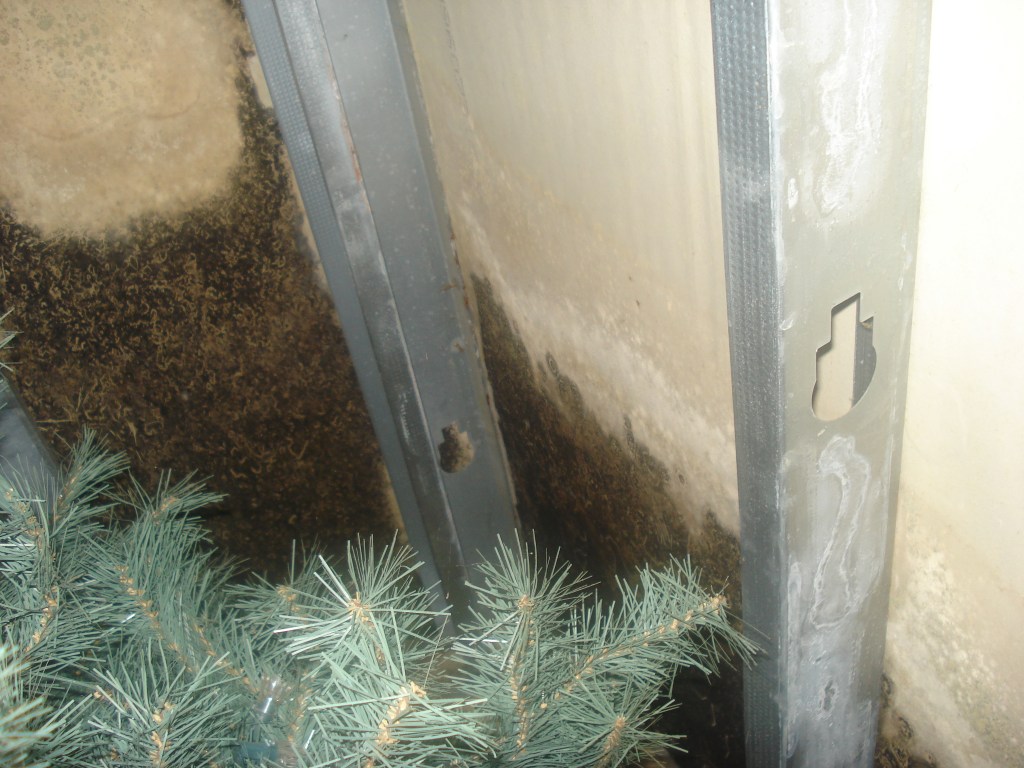
basement Crawlspace Wall
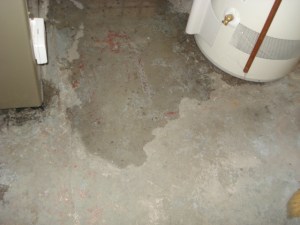
Water Heater Leak
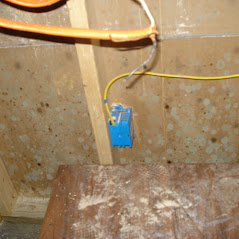
Moisture Dampness

Environmental Resources https://promoldinspections.com is here to help identify problem areas. Also we provide solutions with products and quality air purification with several pounds of carbon to fight odors.  We offer sampling if it is called upon. Call for a professional consultation of your home or business for indoor air quality today. Serving South Shore Plymouth county, Barnstable county Cape Cod and Martha’s Vineyard Boston and Metro West, Norfolk County, Essex County,, Middlesex County, Suffolk County, of Massachusetts.


Andy Provitola CMC-Certified Microbial Consultant
Environmental Resources LLC
Pembroke, MA 02359
781-248-9975
www.airenvironments.com

The Value of Mold Testing

What is the value of mold testing? Too often I have read if you see the mold just get rid of it or remove it! This can be true to a certain extent, however, what if you can smell the mold but cannot see it? There may be a strong musty odor or excess moisture or dampness. I do agree if you see the mold growth to get rid of it or have the moldy affected area treated and cleaned if it cannot be removed. What about the mold that may be hidden or unseen such as behind a wall or ceiling with no access? Mold spores that are airborne are not visible to the naked eye. Just because the surfaces of the walls, ceiling, floor areas are not moist with no surface mold growth, does not indicate that mold spores are not present. it should be noted that every building has some forms of mold, but we are looking at unusual or high excessive mold growth and contamination. Usually after a heavy floor, or excessive pipe leak from a faucet, shower, radiator, plumbing backup, or roof leak can indicate some excess mold growth. A thorough visible inspection of the affected and non affected areas is important and not always having to test or sample for mold. Using a quality moisture meter will help with this, but sampling is only part of the process to come up with a good conclusion with a visible inspection. Air testing alone is not the proper way to assess for mold growth.

The Value of Mold Sampling is Threefold:

  • The air testing will help to determine the mold spore elevations present in the room or area of concern whether they are excessive beyond our natural environment. It should be noted there are no governmental standards or threshold limit values for mold testing. There is industry guidance from professional industries. As a general rule and widely accepted in the indoor air quality field, the numbers and types of mold spores that are present in the indoor environment should not exceed those that are present outdoors at any given time.
  • The purpose of sampling and counting spores is to help determine whether an abnormal condition exists within the indoor environment and if it does to help pinpoint the area of contamination.
  • Mold testing can be subjective, but can help to identify excess mold spores and the type of mold spores indicated in a room or affected area. A spore trap can pick up several types of species in a sample. This can help to determine if it is a common type of mold or a water damage mold such as a mycotoxin, pathogenic, or allergenic type species.
  • Mold sampling can help during or after a mold remediation project to confirm if the mold clean up was effective with verifying low mold spore counts and/or eliminating any nasty water damage type molds such as Stachybotrys, Chaetomium, or excess Aspergillus/Penicillium molds.

Another value for a professional assessment for mold is the peace of mind to know that your investment or health are not at risk. “An ounce of prevention is always better than a pound of cure”.

Mold testing and assessment is best to be performed by a certified and trained (experienced) professional independent consultant or company that does not remediate or remove mold. his help to offer an objective unbiased assessment with accountability. All our samples are sent to a qualified and trained lab accredited and certified. EMPAT,AIHA, Microbiology labs.

Having over twenty years of personal and professional experience with hundreds of mold inspections and indoor air quality assessments. There are times when the mold in a building or home looks worse than what may appear and at other times the room, walls, ceiling, floors, look clean, dry, and innocent only to find the room has excess mold mycotic, and allergenic in nature beyond a “normal environment”. Although there are currently no federal standards or guidelines regarding results of fungal samples and there no no levels that are typical or permissible, there is still value in testing and inspections. The key to stopping a mold problem is to correct the cause and source of the problem. It is important to correct and fix the source to have effective remediation to prevent another problem

Andy Provitola CMC

Environmental Resources & Services

https://www.airenvironments.com

The Four Letter Word that Frightens Realtors Buyers!

As a realtor you know how challenging it is to list a house and then try to find the right buyer for the client. So many things can show up during a home inspection that your client may become discouraged due to past flooding, ice dams, roof leaks, or a pipe that froze. Water intruded throughout some of these areas that now may have suspect mold growth.  Yes ‘MOLD’ that dirty four letter word that can frighten a buyer away!

Mold growth and contamination can cause damage to a house or building if not dealt with properly. There are people who are very sensitive to mold fungi and have allergic reactions, sinus infections, even respiratory problems. People with asthma in general struggle with air quality issues. Did you know that the EPA says, “We spend approximately 90 percent of our time indoors”!

Before listing a house it is important to ask questions about past flooding, roof leaks, ice dams, pipes from bathrooms or kitchens bursting etc.  How long did the water leak occur? Was water standing for more than 48 hours or less? The best time to dry out excess water problems is within the 24 to 48 hour period. After a few days is usually when mold growth tends to occur, especially when moisture with high relative humidity, and dew point is in the air.  Do you see dried water stains or stains that are suspect for mold such as in the basement, attic, ceilings, walls, etc.? Repairing the source of the problem of water intrusions, moisture and dampness is important to control mold growth from occurring. After proper repairs then mold remedial cleaning is needed to ensure the mold growth is eliminated.

What about those musty odors? Does the crawlspace or basement have a dirt floor? Has the source of the leak been repaired properly? Is the insulation drooping to the floor of the crawlspace because of excess moisture? Are dehumidifier(s) properly operating when needed? Controlling excess relative humidity is important to help mold growth from spreading. Excess Relative Humidity over 60% R.H. can fuel moisture for mold growth. It is important to install the right size dehumidifiers for the basement or crawlspace. Normal range for relative humidity should be between 35% and 50% for best results. Add a quality grade vapor barrier sheeting to the entire dirt floor areas and part of the side walls. Replace any drooping or excess moist fiberglass insulation; and of course clean and treat the mold where and if necessary.

The good news is that there is a solution to mold growth and contamination. Removal of mold physically such as wallboard, contents, carpets, furniture, wet or damp insulation, etc. Clean and treat affected areas professionally from a trained and certified (current certifications) company to remediate the mold. You may want to have the person selling their house to consider a mold inspection and assessment before they list the house. Home inspectors usually do the structural aspect of the house. (Beware of labs pushing untrained home inspectors to conduct mold inspections and testing!) Hire an independent professional who is trained, certified and an experienced company who does not remediate mold to offer an objective viewpoint for your project.  I emphasize trained and certified because there are no federal state regulations in Massachusetts and other the New England states. Very few states require licensing for mold assessments and removal.

Andy Provitola CMC Environmental Resources Norwell, MA https://airenvironments.com

Allergies and Indoor Air Quality

There are many types of air particulate that move around in our homes and offices. We buy products, furniture, home goods, and furnishings that most of us do not know what the materials or chemicals they are made from. It has also been said, “that we spend nearly 90% of our time indoors that can affect the quality of our indoor living lifestyles”. Particles like dust, pollen, ragweed, mold, dander, fibers, odors, etc. can produce allergy triggers that can cause you discomfort. I often get calls from people who immediately think they have a mold problem. Why do you think you have mold? Usually mold is produced from water damage and leaks, flooding, excess moisture and high relative humidity over 60%.

No signs of water damage or leaks, no chemical smells, but the house is full of dust, insect and mice droppings, old storage and furniture with films of dust found in all the hidden places behind & underneath furniture, headboards, tops of picture frames, door frames, top sides of ceiling fan paddles, and very high shelves that rarely get cleaned. The vacuum cleaner is rarely used because we are all legitimately busy and continue to remind ourselves with notes that we will get around to eventually cleaning the areas of concern. Note, if you hire a cleaner, it is best to buy and use your own HEPA filtered vacuum. Who knows where your cleaners vacuum has been!

Before spending money having all kinds of testing conducted indoors which can get expensive, I have a few suggestions as pro-active preventative measures:

A Good Thorough General House Cleaning

Clean from top to bottom. Use a soap or detergent. Some use an anti-microbial disinfectant cleaner which can combat, mold, bacteria, odors, virus, etc.

Use a Quality HEPA Vacuum

Vacuum the floors, carpets, sofas, difficult areas and high spaces. Remember, if you hire a cleaner have them use your vacuum. You don’t know where there vacuum has been! I have had cases where clients had severe allergy triggers the next day after the house cleaner arrived the day before.

Dust Thoroughly the entire House

Use a good Swiffer or Dust Rag. Dust the difficult high places such as shelves or cabinets and hidden places underneath or behind bureaus, furniture. Tops of ceiling fan paddles, picture frames, and where necessary.

Invest in Quality HEPA Air Purification
To help clean the air in your space of dust, allergens, mold, fibers, dander, odors, etc. Use them often and move them around because they work!

HVAC Duct Vents have professionally cleaned by a trained and certified company with experience.

Changs the HEPA filter when needed on a regular basis. A MERV Rated filter #7 – #11 is best for residential.

A good general cleaning or sanitizing of the basement/ garage once a year is recommended. Dust or allergens can accumulate fast. While you’re at it some of that storage may need to go. Some hats, clothing been sitting there for years. Give it away, have a yard sale or donate it to a local charitable cause.

Should there be some chronic problem with your indoor air quality then it is recommended to call a professional who is trained, certified with experience. We provide mold and allergen testing for your home or office.

Serving Greater Boston, South Shore, Cape Cod, Massachusetts

Andy Provitola CMC,IEP,
Environmental Resources
Pembroke, MA 02359
781-248-9975
www.airenvironments.com

Excess Moisture in Crawlspaces and Basements

This time of year in the summer months causes concerns for musty odors, excess moisture and mold growth on the surfaces.  What’s that smell? Do you know what is going on down in your crawlspace? Does it have a dirt floor? Is the open fiberglass insulation in the floor joist drooped down into the floor? These are signs that excessive moisture, musty odors and dampness, and mold contamination growth may be occurring.

Mold spores can and will exacerbate with any excess moisture and excess relative humidity that will cause existing mold spores to travel and move around where new growth can occur. Excess relative humidity in a basement or crawlspace is like adding ‘gas onto the fire’ where mold spores will grow.

Conducting a thorough visual investigation of the musty odor or any source of water leak, excess moisture is very important.  Relative humidity (RH) should be less than 60% or lower to help to control moisture 30% to 50% (RH) is the best range). When (RH) is above 60% or more this is not good for your basement, crawlspace, or living/working space where mold and other contaminants can grow; even causing wood rot and decay to the structural support of the wood beams and joists. To control excess moisture and humidity it is important to install the proper dehumidification system. Too often homeowners and business owners do not have the proper size dehumidifier(s) installed because the square footage or cubic area is too large and the unit does not cover this amount of ambient space.

Crawlspaces with dirt floors should have quality grade vapor barriers with minimal 6 Mil thicknesses or higher covering the entire dirt floor including part of the lower side walls or to the top. Quality grade dehumidification is recommended to help control moisture. 

During the hot and humid months less moisture is probable when the outside vents of crawlspace are closed up. Climates are different throughout the country; the Northeast region is different from the Southeast and Southwest regions.

Insulate using foam pipe sleeves any copper pipes underneath the crawlspace or in the basement area. The cold water pipes usually condensate when excess humidity comes in contact with them. Insulate Well Tanks and Water Filter Tanks as well. Dehumidifiers need to drain properly operating on a 24/7basis when needed.

If chronic water leaks or water floods into the basement or crawlspace areas then quality grade sump pump(s) and/or drainage are recommended. Install vinyl grade cover over sump pump area. Sump pump is best installed in the ground and the bucket is deep enough to effectively pump and drain water. Add drainage around perimeter if necessary.  A professional can provide the proper assessment with the proper tools to help to determine such factors as relative humidity, temperature, air flows, moisture meters, boroscope camera, Thermal Infrared camera etc.

basement Crawlspace Wall
Water Heater Leak

Environmental Resources is here to help identify problem areas. Also we provide solutions with products and quality air purification with several pounds of carbon to fight odors.  We offer sampling if it is called upon. Call for a professional consultation of your home or business for indoor air quality today. Serving South Shore Plymouth county, Barnstable county Cape Cod and Martha’s Vineyard Boston and Metro West, Norfolk County, Suffolk County, of Massachusetts.


Andy Provitola CMC-Certified Microbial Consultant
Environmental Resources LLC
Pembroke, MA 02359
781-248-9975

www.airenvironments.com

Healthy Homes Indoors

Healthy homes is about the air that we breathe inside our homes. have you ever thought about the quality of air and what may be inside of your house or the place that you live. Air can move around from basements, crawlspaces, the living space where we sleep, eat, and even bathe. How about the furnace or the HVAC system where your heat and/or air conditioning flows from a duct vent or radiator pipes.

Have you ever had a water leak in your home? How about a flood, a leaky roof, a damp basement or crawlspace. It has been said that people spend approximately 90 percent of their time indoors. This means that you could be breathing bad air which may be making you sick. Some of the symptoms you may be experiencing such as headaches, dizziness, skin rashes, eye irritation, odors, sneezing, coughing, sinus congestion are just a few. You could be breathing in bad unhealthy indoor air and not even realize it.

Mold has become a recent problem especially after flooding, excess water leaks, excess relative humidity, hurricanes, heavy rain storms, etc. Mold contamination grows where there is excess moisture and/or flooding. The longer the moisture or water stands indoors the more potential for mold growth, especially after 48 hours or more. Allergies and excess dust can trigger several reactions. Keeping the air quality clean indoors is important to lessen the allergy irritabilities.

To have a healthy home it is best to pay attention to the details of your house. An ounce of prevention is better than a pound of cure.

We serve the Massachusetts, Greater Boston, Metro West North Shore South Shore and Cape Cod Region. Plymouth County, Barnstable County, Norfolk County, Suffolk County, Essex County, Middlesex County

Andy Provitola CMC

Environmental Resources

https://www.airenvironments.com